October 30, 2026
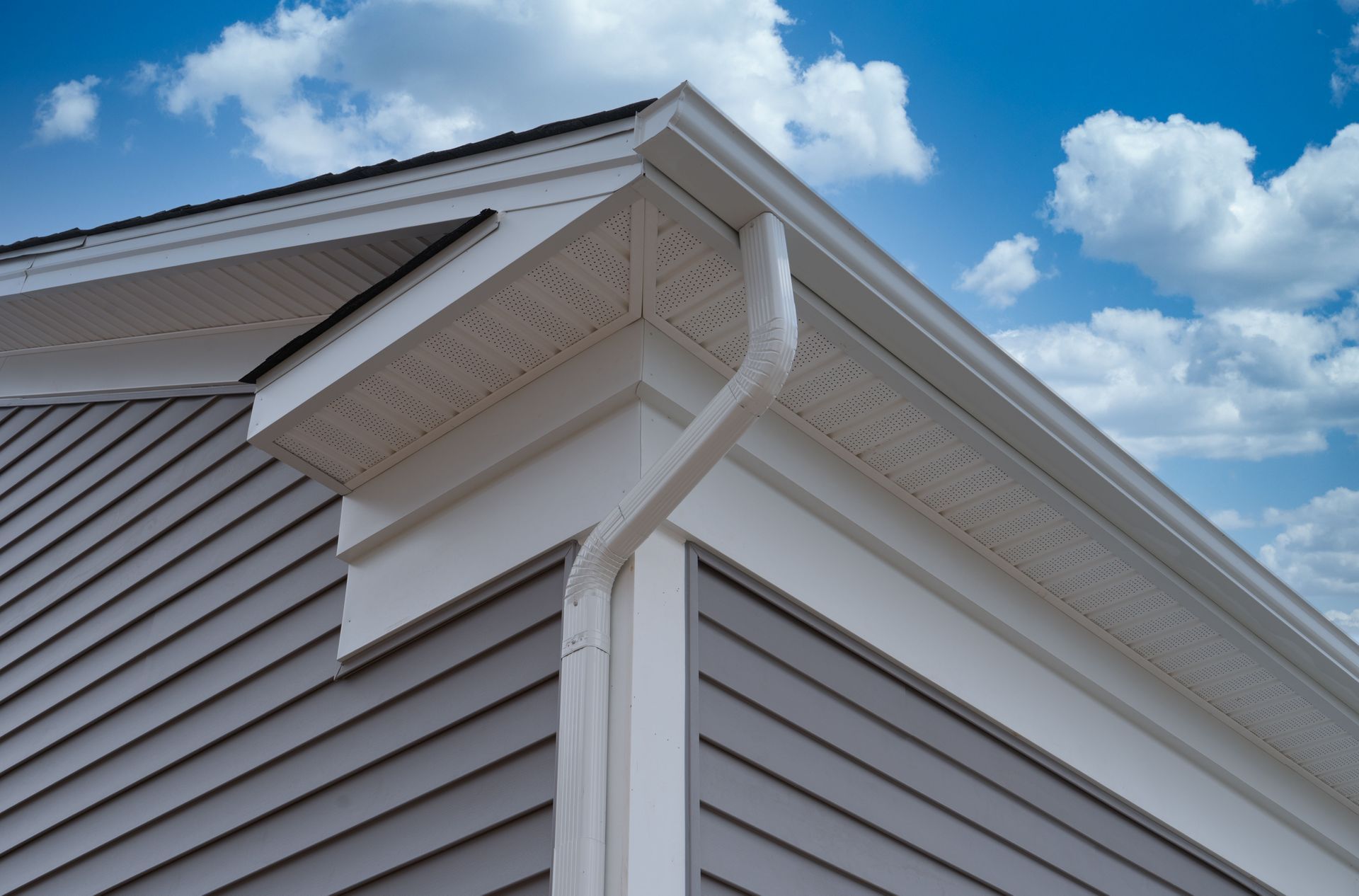
Gutters play an important role in protecting a property from water damage. They collect rainwater from the roof and direct it away from the building, helping reduce the risk of soil erosion, foundation problems, and damage to exterior surfaces. When existing gutters become worn, damaged, or ineffective, installing a new system can help manage rainwater more effectively. Before moving forward with an installation, it is helpful to understand gutter sizing, roof design, drainage needs, and long-term maintenance. This article covers the main factors to consider when planning a gutter installation and how the right choices can support a property's condition over time.
Evaluating the Size and Layout
Gutter size is an important part of an effective drainage system. Gutters must be able to collect the amount of water flowing off the roof during rainfall. If they are too small, water may spill over the edges during heavy storms. An undersized system may also struggle to move water toward the downspouts quickly enough. According to HomeGuide, most homes have four-inch to seven-inch-wide gutters, but larger homes in rainy regions may need up to eight-inch-wide gutters. These differences reflect the need to match gutter dimensions to the amount of water a roof is likely to collect. Roof size, slope, and local rainfall patterns can all influence the appropriate dimensions. A professional assessment can help determine which size is suitable for the property.
The layout of the roof also affects gutter placement. Long roof edges, multiple roof sections, and areas where different slopes meet can change how water enters the drainage system. Downspouts must be positioned to move collected water away efficiently. If the layout does not account for the natural flow of rainwater, some areas may experience overflow or poor drainage. Seeking professional help before installation can help identify these concerns. A qualified installer can evaluate the roof's dimensions and drainage patterns before recommending a suitable layout. Careful planning can help the system manage rainfall more effectively and reduce the likelihood of drainage problems.
Comparing Material and Durability
Gutter materials can affect a system's appearance, lifespan, and maintenance needs. Different materials respond differently to moisture, temperature changes, and everyday exposure to the elements. Some may be more vulnerable to corrosion, while others can be affected by impact or expansion and contraction as temperatures change. Understanding these differences can help guide the selection process. The local climate is an important consideration. Properties in areas with frequent rainfall may need a system that can handle repeated exposure to moisture. Regions with strong storms may also experience falling branches, windblown debris, or other conditions that place additional stress on gutters. Selecting a suitable material can help the system perform under these conditions.
Appearance can also influence the decision. Gutters follow the roofline and remain visible from the ground, so their color and finish can affect the overall look of a building. A suitable choice should complement the roof, siding, and exterior trim without drawing unnecessary attention. Durability also depends on proper installation and ongoing care. Even a durable material may develop problems if the system is poorly supported or water cannot drain correctly. Professional guidance can help property owners compare available options based on local weather, building design, and expected maintenance needs.
Preparing for Proper Installation
A successful gutter installation begins with an assessment of the building. The installer should consider roof dimensions, the condition of the roof edge, existing drainage concerns, and the placement of downspouts. These details help determine how the system should be fitted and supported. Addressing potential problems before installation can reduce the risk of future repairs. The condition of the roofline is especially important. Gutters need secure attachment points to remain stable during rain, wind, and seasonal temperature changes. If the surrounding fascia or other supporting areas show signs of deterioration, those concerns may need attention before the new system is installed. A secure attachment helps maintain the gutter's position and supports proper drainage.
Gutter slope is another key factor. Water should move toward the downspouts rather than remain in low spots along the gutter. Standing water can add weight to the system and contribute to debris buildup or other maintenance concerns. Correct positioning helps water drain more efficiently after rainfall. Seamless gutters require accurate measurements because each run is formed to fit the dimensions of the building. Professional installation helps account for roof angles, corners, and other features that affect the final fit. Careful preparation supports a cleaner appearance and helps the system function as intended.
Managing Water Flow and Drainage
Gutters are only one part of a property's drainage system. Once rainwater enters the gutters, downspouts carry it toward the ground. The water must then move away from the foundation rather than collect near the building. Poor drainage can contribute to soil erosion, damp areas, and water intrusion around lower portions of the property. Downspout placement should reflect the shape of the building and the direction of the surrounding ground. Some areas may naturally direct water toward the foundation, making proper drainage planning especially important. Nearby walkways, driveways, landscaping, and other features can also influence where water should be directed.
The amount of rainfall a property receives should guide the overall drainage plan. Heavy storms can send large amounts of water off a roof in a short period. If the downspouts cannot handle the flow or discharge water into an unsuitable area, the system may not provide adequate protection. Proper sizing and placement help reduce these risks. A professional assessment can identify drainage concerns that may not be obvious from the roofline alone. Seeking professional help with gutter placement and water direction can help protect the surrounding landscape and reduce the chance of water collecting near the foundation. The goal is to create a system that manages runoff across the entire property.
Maintaining Performance Over Time
Even a well-installed gutter system needs regular attention. Leaves, twigs, dirt, and other debris can collect inside gutters and restrict water flow. When blockages develop, water may overflow during rainfall or remain trapped in sections of the system. Regular inspections can help identify these problems before they lead to more serious damage. The amount of maintenance required often depends on the surrounding environment. Properties near mature trees may experience more leaf buildup, while areas exposed to frequent storms may collect additional debris. Checking gutters after severe weather can help reveal damage, loose sections, or blocked downspouts.
Signs of drainage problems include water spilling over the edges, visible sagging, loose attachments, and stains on exterior walls. Pools of water near the foundation may also indicate that runoff is not being directed far enough away from the building. These issues should be evaluated promptly to limit the chance of continued water exposure. Seamless gutters have fewer joints along their runs, but they still require proper care. Connections, corners, downspouts, and attachment points can develop problems over time. Professional inspections can help identify areas that need attention and keep the system working as intended. Routine maintenance supports consistent drainage and can extend the useful life of the installation.
Installing new gutters can address drainage problems and improve how rainwater moves away from a property. Choosing the right size, material, and layout helps the system handle local weather conditions. Proper installation also matters, as gutter slope, secure attachment, and downspout placement affect performance. Consider the roof's dimensions, local rainfall, and maintenance needs when selecting a system. A well-planned gutter system helps protect the foundation, exterior surfaces, and surrounding soil from water damage. Regular inspections and timely repairs help maintain performance over time. Seeking professional guidance can address potential problems before they become more serious. If you are planning to install seamless gutters, contact Lakeline Seamless Gutters Inc to discuss your drainage needs.